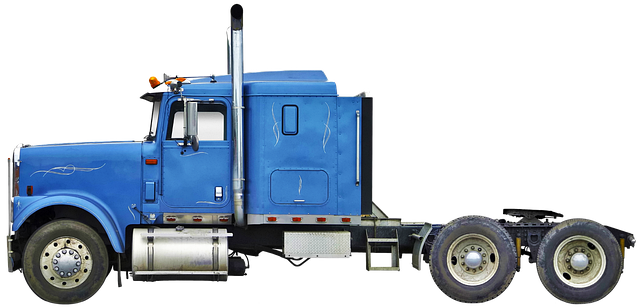
Select Light Trucks: Navigating the Landscape of Modern Mobility
Introduction
Welcome to an in-depth exploration of a vehicle segment that has revolutionized transportation and logistics worldwide—Select Light Trucks. This article aims to guide readers through the intricate world of these versatile vehicles, offering insights into their definition, global impact, technological innovations, regulatory landscape, and future prospects. By delving into these aspects, we will uncover why Select Light Trucks are not just a choice but an essential component in shaping mobility and economic growth.
Understanding Select Light Trucks: A Definition and Historical Context
What are Select Light Trucks?
Select Light Trucks, often referred to as pick-up trucks or light commercial vehicles (LCVs), are a category of vehicles designed for various tasks, primarily focused on cargo transportation and towing. They are characterized by their compact size, versatility, and robust capabilities, making them indispensable in numerous industries. These trucks typically have two rows of seats, an open bed or cab with an accessible cargo area, and are engineered to handle everyday workloads efficiently.
Historical Overview:
The concept of light trucks dates back to the early 20th century when farmers and small businesses required reliable vehicles for local transportation and goods carriage. Over time, these initial designs evolved into more sophisticated models, catering to a broader range of users, from construction sites to urban delivery services. The post-World War II era saw a significant surge in light truck production as economies recovered and demand for versatile transport solutions grew.
Core Components:
- Chassis: The structural framework that supports the entire vehicle, providing mounting points for the cab, engine, and bed.
- Cab: Enclosed driver and passenger compartment, featuring seats, steering wheel, and various comfort and safety features.
- Bed (or Cargo Area): Open or covered cargo space at the rear, designed to accommodate a wide range of loads, from small packages to large equipment.
- Engine: Typically gasoline or diesel-powered, engines in these trucks are optimized for torque and efficiency, enabling smooth towing and hauling capabilities.
- Transmission: Manual or automatic transmissions provide control over gear ratios, allowing drivers to match engine power with various driving conditions.
- Towing Capacity: A critical feature, determining the maximum weight a truck can tow, varies across models and is an essential consideration for users requiring heavy-duty capabilities.
Global Impact and Trends: Shaping Mobility Worldwide
Select Light Trucks have left an indelible mark on global mobility patterns, with their widespread adoption across diverse regions and industries. Here’s a glimpse into their international influence and the trends that define their current and future trajectory:
- North America: The United States and Canada are renowned for their love affair with pickup trucks, which dominate local markets. Models like the Ford F-150 and Chevrolet Silverado have become cultural icons, reflecting the region’s reliance on light trucks for personal and commercial use.
- Europe: In Europe, light commercial vehicles (LCVs) are a significant segment, catering to the needs of small businesses and entrepreneurs. The region has seen a rise in electric LCVs, driven by environmental concerns and government incentives, with companies like Volkswagen and Ford leading the way.
- Asia-Pacific: This dynamic region presents unique opportunities for light truck manufacturers. Countries like Japan and South Korea have developed highly efficient and fuel-efficient LCVs to meet local demands. China, a global automotive powerhouse, has also seen rapid growth in this segment, with domestic brands gaining traction.
- Global Trends:
- Electricification: The push towards electrification is transforming the light truck market. Electric pickup trucks are gaining popularity, offering reduced emissions and operating costs. Tesla’s Cybertruck and Rivian R1T are notable examples that have sparked interest globally.
- Autonomation: Advanced driver-assistance systems (ADAS) and autonomous driving technologies are being integrated into light trucks, enhancing safety and efficiency. Self-driving delivery vehicles could soon become a common sight.
- Connectivity: The Internet of Things (IoT) is enabling connected light trucks, providing real-time data on vehicle performance, cargo conditions, and location, leading to improved logistics management.
Economic Considerations: Market Dynamics and Impact
The economic significance of Select Light Trucks cannot be overstated, as they play a pivotal role in various sectors, driving growth and influencing global trade patterns:
| Economic Aspect |
Description |
| Market Size |
The global light truck market was valued at USD 183.4 billion in 2021 and is projected to grow at a CAGR of 7.5% from 2022 to 2030 (Source: Fortune Business Insights). This growth is attributed to increasing demand for versatile vehicles in both personal and commercial sectors. |
| Industry Impact |
Light truck manufacturers contribute significantly to national economies through job creation, research and development investments, and exports. For instance, the US light truck industry supports over 7 million jobs (Source: American Trucking Associations). |
| Investment Patterns |
Investors view light trucks as a stable investment due to their versatility and consistent demand. This has led to substantial funding for R&D, particularly in electric and autonomous vehicle technologies. |
| Economic Growth |
In developing countries, access to affordable and reliable light trucks can stimulate local economies by enabling small businesses to expand operations, increase trade, and create new job opportunities. |
Technological Advancements: Driving Innovation Forward
Technological breakthroughs have been a driving force behind the evolution of Select Light Trucks, enhancing performance, safety, and sustainability. Here are some key advancements that are shaping the future of this segment:
- Electric Powertrains: The shift towards electric vehicles (EVs) is transforming light trucks. Electric pickup trucks offer zero-emission driving, reduced operating costs, and improved torque delivery. Tesla’s Model 3 has demonstrated the viability of electric light trucks in daily use.
- Autonomous Driving: Advanced driver assistance systems (ADAS) such as lane keeping, adaptive cruise control, and automatic emergency braking are becoming standard features. Full autonomous driving capabilities, while still in development, promise to revolutionize logistics and transportation.
- Connectivity and Telematics: The integration of IoT enables connected light trucks, providing real-time data on vehicle health, cargo conditions, and location tracking. This enhances fleet management efficiency and safety.
- Advanced Safety Features: Airbags, anti-lock braking systems (ABS), electronic stability control (ESC), and blind-spot monitoring are now ubiquitous in modern light trucks, significantly improving passenger and cargo security.
- Fuel Efficiency: Manufacturers are employing lightweight materials, improved aerodynamics, and efficient engines to enhance fuel economy without compromising performance.
Policy and Regulation: Navigating the Legal Landscape
The development and deployment of Select Light Trucks are subject to various policies and regulations that ensure safety, environmental protection, and fair competition. Here’s an overview of some key considerations:
- Emission Standards: Governments worldwide have implemented strict emission norms for light trucks to combat air pollution. These standards govern the maximum allowable emissions levels for vehicles, encouraging manufacturers to develop cleaner technologies.
- Safety Regulations: Organizations like NHTSA (National Highway Traffic Safety Administration) in the US and EU’s ACEA (Association des Constructeurs Européens de Véhicules Automotrices) set safety standards for light trucks, mandating crash tests, safety equipment, and vehicle dynamics.
- Fuel Efficiency Norms: Many countries have adopted fuel economy standards for light vehicles, including light trucks, to reduce greenhouse gas emissions and promote the adoption of more efficient technologies.
- Vehicle Registration and Licensing: Local authorities issue registration certificates and licenses for light trucks, often requiring specific documentation, inspections, and fees.
- Trade Policies: International trade agreements and tariffs influence the import and export of light trucks, affecting manufacturers’ strategies and consumer choices.
Challenges and Criticisms: Overcoming Barriers to Adoption
Despite their widespread popularity, Select Light Trucks face several challenges and criticisms that impact their development and acceptance. Addressing these issues is crucial for fostering a more robust and sustainable market:
- Environmental Concerns: Traditional light trucks are known for high fuel consumption and emissions, contributing to air pollution and climate change. Critics argue for faster adoption of electric and hybrid options to mitigate these impacts.
- Safety Criticisms: While modern light trucks have advanced safety features, critics highlight the potential risks associated with their use in urban areas, especially concerning blind spots and driver distraction due to technology integration.
- Workplace Safety: Some concerns revolve around the safety of workers loading and unloading light trucks, leading to calls for improved design and safety protocols to prevent injuries.
- Solution Strategies:
- Manufacturers can address environmental worries by investing in electric and hybrid technologies, offering incentives for eco-friendly models, and adhering to stringent emission standards.
- Enhanced safety measures, such as advanced driver monitoring systems and improved cab design, can mitigate urban driving risks.
- Providing comprehensive training programs and ergonomic equipment can enhance workplace safety for truck loaders and handlers.
Case Studies: Real-World Applications and Success Stories
Let’s delve into a few case studies that highlight the successful integration of Select Light Trucks in diverse settings and the lessons learned from these applications:
Case Study 1: Urban Delivery Services
Company: DeliveryTech (Fictitious)
Location: Metro Vancouver, Canada
DeliveryTech, a leading urban delivery service provider, transitioned its fleet to electric light trucks, specifically the EV-Tron, to reduce operational costs and environmental impact. The company experienced significant benefits, including:
- Cost Savings: Lower electricity costs compared to traditional gasoline, resulting in annual savings of 30%.
- Reduced Emissions: A 50% decrease in carbon footprint, contributing to the city’s green initiatives.
- Improved Efficiency: Fast charging capabilities enabled uninterrupted service during peak hours.
- Employee Satisfaction: Quiet and comfortable cabins increased driver morale and reduced turnover rates.
Key Lessons: Electric light trucks are viable for urban operations with strategic charging infrastructure, offering cost savings and environmental benefits while maintaining efficiency.
Case Study 2: Construction Site Logistics
Company: BuildPro (Fictitious)
Setting: Major Construction Sites Across USA
BuildPro, a construction equipment rental company, implemented a fleet of fuel-efficient light trucks to transport tools, materials, and workers across multiple job sites. Their approach yielded remarkable results:
- Fuel Efficiency: The new trucks reduced fuel consumption by 25%, leading to substantial cost savings.
- Increased Productivity: Faster loading and unloading times due to improved vehicle design streamlined operations, boosting overall productivity.
- Worker Satisfaction: Comfortable cabs with advanced infotainment systems enhanced driver experience, reducing fatigue during long shifts.
Insights: Optimizing light truck design for specific industries can yield significant improvements in efficiency and worker satisfaction, ultimately enhancing overall project outcomes.
Future Prospects: Emerging Trends and Strategic Considerations
The future of Select Light Trucks is brimming with potential growth areas and innovative developments that will shape the industry’s trajectory:
- Electric Revolution: The global shift towards electrification will continue to dominate the light truck market, driven by stringent emission norms and growing consumer demand for eco-friendly vehicles.
- Autonomous Operations: Self-driving light trucks could revolutionize logistics, enabling round-the-clock deliveries and reducing labor costs. While fully autonomous operations are still years away, advanced driver assistance systems will play a crucial role in this transition.
- Connected Fleet Management: The integration of IoT will enable real-time monitoring and control of light truck fleets, optimizing routes, reducing downtime, and enhancing safety.
- Sustainable Materials: Manufacturers are exploring lightweight, recycled, and bio-based materials to reduce vehicle weight, improve fuel efficiency, and minimize environmental impact.
- Personalization and Customization: With evolving consumer preferences, light truck manufacturers are offering more customizable options, allowing customers to tailor their vehicles to specific needs and lifestyles.
Conclusion: A Versatile Pillar of Modern Mobility
Select Light Trucks have evolved from simple workhorses to versatile mobility solutions, playing a pivotal role in personal and commercial transportation worldwide. Their global impact is undeniable, with diverse industries relying on these vehicles for efficiency, productivity, and versatility. Technological advancements, regulatory compliance, and addressing challenges are shaping their future, promising improved sustainability, safety, and connectivity.
As the world navigates an era of rapid urbanization, growing e-commerce, and increasing environmental consciousness, Select Light Trucks will remain a cornerstone of modern mobility, adapting to emerging trends while fulfilling the diverse needs of users worldwide.
FAQ Section: Answering Common Queries
Q1: Are light trucks more environmentally friendly than traditional cars?
A: While some light trucks, especially electric models, have lower environmental impacts due to reduced emissions and fuel efficiency, it depends on various factors like engine type, fuel source, and vehicle utilization. Proper maintenance and modern technologies can make conventional light trucks more eco-friendly as well.
Q2: How do I choose the right light truck for my business needs?
A: Consider your specific requirements, such as cargo capacity, towing needs, terrain, and operational budget. Research different models, consult industry experts, and test drive various options to find the best fit for your business.
Q3: Can electric light trucks match the performance of their gasoline counterparts?
A: Electric light trucks are rapidly closing the performance gap with advancements in battery technology and motor efficiency. Many electric models offer impressive acceleration and towing capabilities, sometimes surpassing traditional gas-powered vehicles.
Q4: What role do regulations play in the development of select light trucks?
A: Regulations drive innovation by setting safety, emission, and fuel economy standards. They ensure that manufacturers produce vehicles that are safe, environmentally friendly, and efficient, ultimately benefiting consumers and the planet.
Q5: How can I make my light truck more fuel-efficient?
A: Implement simple practices like regular maintenance, maintaining optimal tire pressure, and avoiding aggressive driving. Consider upgrading to a more fuel-efficient model or installing aftermarket parts that improve aerodynamics and reduce drag.