

Understanding and adhering to tailored maintenance routines for Select Light Trucks is crucial for peak performance and longevity. Key elements include:
– Strict service intervals based on vehicle stress levels and usage.
– Customized care according to driving habits and terrain.
– Regular inspections for tire wear, brake health, and fluid levels.
– Optimal oil change intervals based on vehicle configuration and use.
– Regular tire rotations for even wear and enhanced safety, fuel efficiency.
– Structured inspection schedules for critical systems like brakes and exhaust.
– Efficient cooling system service to prevent overheating issues.
– Routine electrical system checks for reliable operation and safety features.
By prioritizing these aspects, owners can maximize investment and minimize downtime in Select Light Trucks.
In today’s world, light trucks are a cornerstone of modern transportation and workhorse vehicles for many industries. However, their reliability and longevity depend heavily on adherence to structured maintenance schedules. Despite the importance, maintaining these versatile vehicles often falls short due to overlooked routines or inconsistent timetables. This article serves as your comprehensive guide, delving into the nuances of light truck maintenance schedules—a critical aspect that Select Light Trucks owners naturally prioritize for optimal performance and longevity. By the end, you’ll be equipped with actionable insights to keep your vehicle in top shape.
- Understanding Light Truck Maintenance Needs
- Selecting the Right Oil Change Interval
- Regular Tire Rotation: A Key Strategy
- Inspecting Brakes and Exhaust Systems
- Cooling System Service: Preventive Measures
- Electrical System Checks: Powering Your Truck
Understanding Light Truck Maintenance Needs

Understanding the unique maintenance needs of light trucks is crucial for their optimal performance and longevity. These versatile vehicles, often featuring powerful engines and robust builds, require a tailored approach to upkeep. When it comes to maintaining your select Light Trucks, natural choices like long bed pickups under 20k offer both value and functionality. These trucks are designed with durability in mind, but even the sturdiest vehicles need regular attention.
One key aspect to consider is the frequency of service intervals. Many light truck manufacturers recommend stricter maintenance schedules compared to passenger cars, emphasizing the higher demands placed on their systems. For instance, some models may require oil changes every 3,000 miles or 3 months, whichever comes first, due to increased engine stress during hauling and towing tasks. Nearby used truck dealerships are excellent resources for finding well-maintained pre-owned light trucks, offering a chance to explore options and take advantage of potential tax breaks. These intervals ensure the engine, transmission, and other critical components receive the necessary care.
Additionally, understanding the specific demands of your driving habits is essential. If your light truck is primarily used for short daily commutes or occasional long-distance hauls, maintenance plans might differ from a fleet vehicle constantly on the road. Regular inspections, including checking tire wear, brake health, and fluid levels, are vital. Data suggests that proper fluid maintenance can extend engine life by reducing friction and preventing premature component failure. By adhering to recommended schedules and customizing care based on usage, owners of select Light Trucks can maximize their investment while minimizing downtime.
Selecting the Right Oil Change Interval
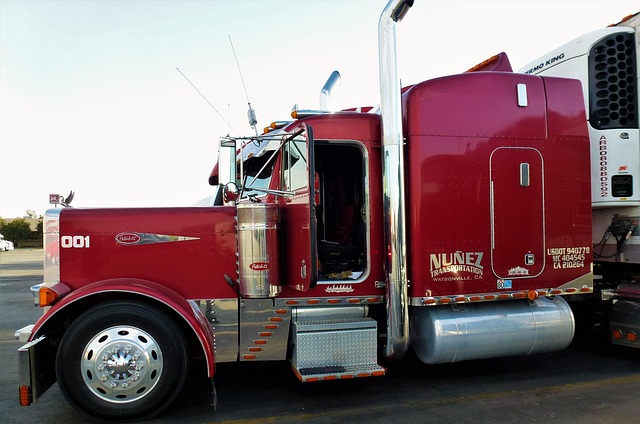
Selecting the appropriate oil change interval for your light truck is a crucial aspect of maintenance that can significantly impact both performance and longevity. Light trucks, known for their versatility and durability, come in various configurations, each with unique characteristics. Therefore, what works for one may not be ideal for another. The key lies in understanding your vehicle’s specific needs, factoring in usage patterns, climate conditions, and the quality of your driving.
For instance, fuel-efficient half-tons designed for daily commuting and urban driving may require oil changes as little as every 5,000 miles, thanks to their advanced engineering and lower mileage use cases. Conversely, light trucks used for rugged terrain or heavy hauling operations can expect to need new oil more frequently, often at intervals of 3,000 to 4,000 miles. This is where the concept of “right-sizing” comes into play, encouraging owners to Select Light Trucks that match their usage patterns. Taking advantage of light truck tax breaks and financing options can make these choices more accessible, allowing you to invest in the best solution for your needs without a heavy financial burden.
Regular oil changes are not just about engine health; they also contribute to optimizing fuel efficiency. Well-maintained engines run smoother, burn less fuel, and emit fewer pollutants. This is especially relevant in today’s market where consumers are increasingly conscious of environmental impact and seek out efficient light truck options. By adhering to recommended maintenance schedules, including oil changes, you can enhance the resale value of your vehicle and enjoy a more sustainable driving experience. Remember, proactive maintenance saves time and money in the long run.
Regular Tire Rotation: A Key Strategy

Regular tire rotation is a crucial strategy for maintaining the optimal performance and longevity of light trucks, especially popular half-ton truck accessories like those found in top-rated compact trucks. This simple yet often overlooked practice involves changing the position of your tires on a regular schedule to ensure even wear patterns. Given that small truck buying guides often highlight the importance of high-quality tires for safety and fuel efficiency, proper rotation is an essential part of overall maintenance.
Data shows that regular tire rotations can extend the life of your tires by up to 25 percent, saving you money on replacements and enhancing your vehicle’s performance. For example, rotating tires every 5,000 to 8,000 miles, as recommended by most manufacturers for select light trucks, can prevent excessive wear on individual tire edges, which often occurs when vehicles are primarily driven in one direction or on winding roads. This balanced wear ensures that each tire contributes equally to the vehicle’s traction and handling, leading to a smoother ride and better control.
To implement this strategy effectively, drivers should consult their vehicle’s owner manual for specific rotation intervals, which may vary based on factors like terrain, driving habits, and truck type. Many modern light trucks have advanced tire monitoring systems that can alert drivers when tires need to be rotated or replaced. For those considering a small truck purchase, focusing on models with robust half-ton truck accessories and efficient tread designs will further enhance the benefits of regular rotation. By adopting this practice, owners of compact trucks, from top-rated options to more affordable choices, can ensure their vehicles remain in peak condition for years to come.
Inspecting Brakes and Exhaust Systems

Maintaining light trucks involves a meticulous schedule of inspections, especially when it comes to critical systems like brakes and exhaust. Select Light Trucks with natural efficiency and robust safety features are designed to withstand rigorous tasks, but regular checks are vital to ensure optimal performance and longevity. For instance, advanced anti-lock braking systems (ABS) and electronic stability control (ESC) are standard in modern light trucks, significantly enhancing handling and stopping power. However, these systems require periodic fluid checks and sensor inspections to function effectively.
When examining the exhaust system, look for signs of corrosion or damage, especially around the catalytic converter, a key component in fuel-efficient half tons. Consumer Reports consistently ranks pickup truck models based on their long-term reliability, with many top picks featuring durable exhaust systems designed for years of trouble-free operation. Regular checks can prevent costly repairs and ensure your light truck maintains its efficiency. For instance, a simple visual inspection can reveal leaks or damaged hangers, while a professional scan tool can diagnose any sensor malfunctions that may be impacting performance.
In addition to brakes and exhaust, staying on top of regular maintenance tasks like fluid changes, tire rotations, and air filter replacements is essential for light truck safety features to remain effective. Consumer Reports offers valuable resources and in-depth pickup truck reviews, highlighting models that excel in long-term reliability and overall value. By adhering to these maintenance practices, owners can ensure their Select Light Trucks provide years of reliable service while maintaining top safety standards and fuel efficiency.
Cooling System Service: Preventive Measures

The cooling system is a critical component of any vehicle’s health, especially light trucks known for their robust performance and versatility. Regular maintenance of this system in select Light Trucks can prevent costly repairs and ensure optimal engine performance. A key aspect to focus on is the service interval for your truck’s radiator, water pump, and thermostat. Most manufacturers recommend servicing these parts every 30,000 to 60,000 miles or annually, whichever comes first. This preventive measure not only cools the engine efficiently but also maintains the integrity of the entire cooling system.
When it comes to light truck tire choices, consider the impact on your vehicle’s performance and fuel efficiency. Different tires have varying cooling requirements, with high-performance options often demanding more attention. Ensure your chosen tires align with your driving style and terrain; for instance, off-road tires might require more frequent rotation and pressure checks due to increased wear and tear. In the market for a used half ton truck price? Look beyond just the cost; factor in maintenance costs over the vehicle’s lifespan, including cooling system upkeep.
Moreover, regular fluid checks and replacements are essential. Antifreeze/coolant levels should be monitored closely as they play a vital role in maintaining the right temperature for your engine. Many modern light pickup truck ratings highlight efficient cooling systems, but even top-rated vehicles need proper care. For example, a study by Consumer Reports found that regular coolant maintenance can extend the life of your vehicle’s engine by reducing wear caused by overheating. Remember, neglecting cooling system service could lead to severe damage and costly repairs, so stay on top of these tasks for your select Light Trucks.
Electrical System Checks: Powering Your Truck

The electrical system of a light truck is a complex network of components that demand regular attention to ensure reliable operation. Select Light Trucks, renowned for their durability and versatility, require specific care when it comes to maintaining this critical system. Top-rated light truck dealers emphasize the importance of routine checks to prevent costly breakdowns and enhance safety features, which are increasingly sophisticated in modern pickups. Consumer Reports consistently ranks light trucks highly for their overall performance, including electrical reliability, making them a popular choice among discerning buyers.
A comprehensive maintenance schedule should include periodic inspections of key components such as battery health, alternator functionality, and wiring integrity. For example, a study by the International Association of Automotive Technicians found that well-maintained batteries significantly reduce the risk of vehicle failures on the road. Additionally, checking for loose connections in the electrical system can prevent power surges that may damage sensors and actuators, impacting critical safety features like anti-lock braking systems (ABS) and electronic stability control (ESC). Regular testing and replacement of fuses are also crucial to avoid short circuits and ensure optimal performance from lights, indicators, and other electric accessories.
To stay ahead of potential issues, owners should familiarize themselves with their vehicle’s electrical diagram and consult the manufacturer’s guidelines. Many light truck models now offer advanced diagnostics that allow drivers to monitor system health through dedicated apps, further empowering them to address problems early on. Furthermore, keeping detailed records of maintenance activities can aid in identifying patterns and trends, enabling proactive care. By integrating these practices into their regular routine, owners can extend the lifespan of their Select Light Trucks while benefiting from the latest light truck safety features offered by leading manufacturers.
By meticulously understanding the unique maintenance needs of light trucks and implementing tailored schedules, owners can significantly enhance their vehicle’s performance, longevity, and safety. Key insights include selecting appropriate oil change intervals based on factors like driving conditions and engine specifications, performing regular tire rotations to ensure even wear, and diligently inspecting critical systems such as brakes, exhaust, cooling, and electrical components. Adhering to these maintenance practices not only optimizes fuel efficiency and reduces the risk of costly breakdowns but also ensures the overall reliability and resilience of select light trucks on various terrains. Armed with this knowledge, owners can confidently Select Light Trucks that best align with their needs while reaping the benefits of proactive maintenance.