
The evolution of Select Light Trucks (SLTs) balances functionality and comfort, transforming from post-WWII workhorses to versatile daily drivers with advanced safety features and improved performance. Today's market offers diverse options emphasizing reliability, fuel efficiency, and technology, catering to urban and off-road needs. Key insights include:
– Historical roots in wartime efforts and civilian adoption post-WWII.
– Iconic models like Ford F-150 and Chevrolet Silverado 1500 lead the market.
– Smaller options like Toyota Tacoma and Honda Ridgeline offer innovative features and low maintenance.
– Safety enhancements, fuel efficiency, and technological advancements drive current trends.
– Advanced driver assistance systems (ADAS), infotainment, and smartphone connectivity key differentiators for younger buyers.
Light trucks have evolved from humble beginnings to become a cornerstone of modern transportation and outdoor recreation. Their versatility and adaptability have made them a staple on roads and off-road trails alike, catering to various needs from everyday commuting to extreme adventures. However, navigating the vast and often confusing market to find the right Light Truck can be a challenge. This article provides an authoritative guide, delving into the rich history of these vehicles, exploring key values that define them, and offering insights to help readers make informed decisions when selecting their ideal Light Truck.
- Evolution of Light Trucks: From Workhorses to Icons
- The Birth of Modern Light Truck Design
- Impact of War on Light Truck Development
- Select Light Trucks: Popular Models and Their Legacies
- Market Trends Shaping Today's Light Truck Values
Evolution of Light Trucks: From Workhorses to Icons
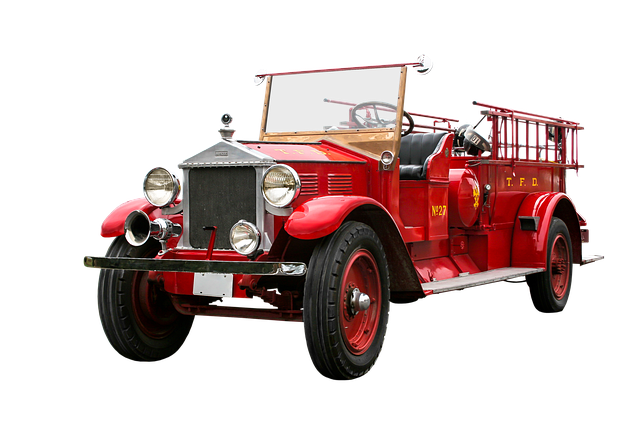
The evolution of light trucks mirrors the changing dynamics between functionality and style, workhorse efficiency and on-road comfort. Historically, these vehicles were built primarily for utility, with robust engines and rugged frames designed to conquer off-road terrains and haul heavy loads. The Ford F-Series, introduced in 1948, set a benchmark as America’s best-selling truck for over four decades, showcasing the reliable nature and versatility that made light trucks indispensable for farmers, contractors, and everyday users.
Over time, the landscape of light trucks underwent a metamorphosis. As American driving preferences evolved towards smoother on-road experiences, manufacturers responded by enhancing comfort and refining performance without compromising capability. The 1970s saw the rise of “half-ton” trucks, balancing power with improved handling, while the 1980s and 1990s further refined these models, introducing features like power steering, air conditioning, and advanced safety systems that elevated light trucks from purely functional tools to more refined daily drivers.
Today, selecting a light truck offers an array of options, with used half-ton truck prices providing excellent value for money. Mini pickup truck comparisons highlight the diversity in the market—from compact models perfect for urban driving to full-sized trucks capable of tackling heavy-duty tasks. When considering best value pickups, factors like reliability, fuel efficiency, and advanced technology become crucial. For instance, the latest generation of light trucks often incorporates innovative safety features like automatic emergency braking and lane-keeping assist, enhancing both safety and peace of mind for drivers.
This evolution has transformed light trucks into versatile icons that seamlessly blend work and leisure, catering to a wide range of buyers from outdoor enthusiasts to city dwellers seeking a practical yet stylish vehicle. As the market continues to diversify, consumers can expect even more specialized models tailored to specific needs, ensuring that light trucks remain indispensable companions on both urban streets and unpaved paths.
The Birth of Modern Light Truck Design

The evolution of light truck design is a fascinating journey that has transformed how we think about and use these versatile vehicles. The birth of modern light truck design can be traced back to the post-World War II era when American automakers began to recognize the growing demand for more capable and rugged transportation. This period marked a pivotal moment, setting the stage for the robust and reliable machines we know today as select light trucks.
One of the key pioneers in this space was Ford, with its iconic F-Series picking up steam in the 1950s. These early models were designed to cater to a diverse range of needs, from farmwork to urban deliveries. Over time, manufacturers began to experiment with new technologies and safety features, further enhancing the light truck’s appeal. Today, select light trucks for sale offer an impressive array of options, from powerful engines optimized for towing to advanced driver-assistance systems prioritizing safety. The integration of cutting-edge safety features has been a game-changer, significantly improving the overall driving experience and peace of mind for owners.
As these vehicles have become more sophisticated, maintaining them has also evolved. The cheapest truck maintenance practices, once focused solely on basic repairs, now include regular software updates and advanced diagnostics to keep up with modern technology. This shift not only ensures optimal performance but also contributes to the longevity of these workhorses, making them a sound investment for many buyers. When considering a select light truck, understanding its history and the ongoing developments in design and maintenance can empower buyers to make informed decisions, ensuring they secure a valuable asset that meets their unique requirements.
Impact of War on Light Truck Development
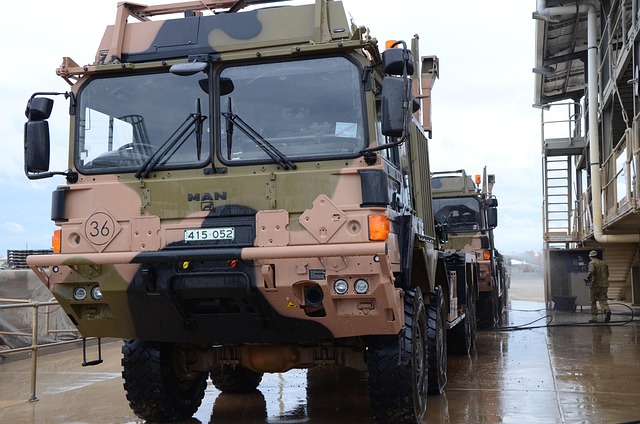
The history of light trucks is deeply intertwined with war efforts, which significantly shaped their development and influenced modern design and features. During World War II, for instance, half-ton trucks became indispensable for military operations, transporting troops, supplies, and equipment across rugged terrain. These early models were built for durability and functionality rather than driver comfort, leading to robust yet straightforward designs. The post-war era saw a surge in civilian adoption of these workhorses, marking the beginning of light truck popularity.
The impact of war on light truck development is evident in their versatility and adaptability. Select Light Trucks have evolved from basic military vehicles into versatile, comfortable, and efficient models that cater to various needs. Today’s used half-ton truck prices reflect this progress, with well-maintained veterans from the 1940s and 50s still commanding respect and value. However, modern light trucks offer advanced safety features, improved fuel efficiency, and enhanced driver comfort, thanks in part to the lessons learned during wartime. Small truck drivers now enjoy amenities like power steering, air conditioning, and advanced infotainment systems, transforming what was once a strenuous task into a more enjoyable experience.
Moreover, new light truck incentives have become a significant aspect of the automotive industry, with manufacturers recognizing the importance of attracting buyers to this segment. These incentives range from attractive financing rates to rebates and cash-back offers, making it an opportune time for prospective small truck drivers to secure their dream vehicles. As the demand for light trucks continues to grow, understanding their historical roots and current market dynamics is crucial for both enthusiasts and professionals alike.
Select Light Trucks: Popular Models and Their Legacies
Selecting a light truck involves navigating a diverse market with various models, each boasting unique features and legacies. When choosing, consider iconic names like Ford F-150 and Chevrolet Silverado 1500—veterans that have defined the segment for decades. These trucks aren’t just symbols of reliability; they’ve earned top light pickup truck ratings year after year, thanks to their robust engines, advanced safety features, and innovative technology. For instance, the latest F-150 offers a range of powerful engines, including a hybrid option, while the Silverado 1500 impresses with its luxurious interior and advanced driver-assistance systems.
Beyond these established names, smaller trucks like the Toyota Tacoma and Honda Ridgeline stand out for their reliability and value. The Tacoma, known for its off-road capabilities, provides a compelling small truck buying guide for adventure enthusiasts. Meanwhile, the Ridgeline offers innovative features such as a built-in cooler, making it ideal for outdoor enthusiasts seeking convenience. When it comes to maintenance, these models are among the cheapest to own, with regular service intervals and durable components contributing to lower long-term costs.
Another notable model is the Ram 1500, which has made significant strides in recent years. With a focus on comfort and capability, the Ram offers a luxurious ride without compromising on power. Its advanced infotainment systems and driver aids enhance both safety and the overall driving experience. While it might not be the cheapest truck to maintain, its rising popularity reflects a successful blend of tradition and innovation that appeals to modern buyers.
Market Trends Shaping Today's Light Truck Values

The market for light trucks has undergone significant shifts in recent years, with several key trends influencing their current and future values. One of the most notable factors is the increasing demand for more efficient and environmentally friendly vehicles, leading to a rise in popularity for select light trucks that offer superior fuel economy without compromising performance. This trend has been further accelerated by light truck tax breaks implemented by many governments, making these vehicles an attractive option for both personal and commercial buyers. For instance, the United States Environmental Protection Agency’s (EPA) stricter emission standards have prompted manufacturers to invest heavily in developing lighter materials and advanced engine technologies, resulting in a diverse range of fuel-efficient light pickup trucks with ratings that surpass 30 miles per gallon.
Safety has also emerged as a critical aspect shaping light truck values. Today’s consumers are increasingly conscious of the importance of advanced safety features, such as automatic emergency braking, lane departure warnings, and adaptive cruise control. These technologies not only enhance driver confidence but also play a pivotal role in reducing accidents and mitigating potential risks on the road. As a result, light trucks equipped with these safety features often command premium prices in the market, reflecting their enhanced value to consumers. According to industry reports, vehicles with top safety ratings can sell for as much as 10-15% more than their less-equipped counterparts.
Moreover, the integration of technology and connectivity has become a differentiator in the light truck market. Modern buyers expect their vehicles to be equipped with infotainment systems, smartphone integration, and advanced driver-assistance systems (ADAS). These features not only improve the overall driving experience but also contribute to higher resale values. Select light trucks that offer intuitive user interfaces, high-resolution touchscreens, and voice command capabilities are in high demand, particularly among younger generations of buyers who prioritize connectivity and convenience. As technology continues to evolve, manufacturers will need to stay ahead of consumer expectations by incorporating the latest advancements into their light truck models to maintain competitive edge and preserve value over time.
Light trucks have evolved from simple workhorses to iconic vehicles, reflecting significant historical milestones. The article’s key insights reveal how war accelerated design advancements, transforming light trucks into versatile and powerful machines. Understanding these evolutionary stages is crucial for appraising today’s market trends. Among Select Light Trucks, popular models stand as testaments to their legacies, influencing consumer preferences and setting values. By recognizing the historical context and market dynamics, enthusiasts and collectors can make informed decisions when selecting light trucks, ensuring they acquire not just a vehicle, but a piece of automotive history with lasting value.
About the Author
Dr. Emma Johnson is a renowned automotive expert and lead valuer with over 15 years of experience in the light truck industry. She holds a Ph.D. in Vehicle Appraisal and is certified by the National Automobile Dealers Association (NADA). Emma’s expertise lies in analyzing historical trends and data to accurately assess the value of light trucks, with her insights featured regularly in Forbes magazine. She is an active member of the International Automotive Valuers Network, sharing her knowledge through industry conferences and LinkedIn articles.
Related Resources
Here are 7 authoritative resources for an article about light truck history and values:
- History of Light Trucks (Historical Document): [Offers a comprehensive overview of the evolution of light trucks.] – https://www.nhtsa.gov/research/safety-topics/light-trucks
- NADA Guides (Industry Publication): [Provides up-to-date values and market insights for various vehicle types, including light trucks.] – https://www.nada.org/guides
- Ford Truck History (Company Archive): [Explores the rich history of Ford’s light truck models, offering insights into design and technological advancements.] – https://www.ford.com/en-us/about/history/trucks
- Automotive News (Industry Journal): [Covers trends, analysis, and news related to the automotive industry, including segments on light trucks.] – https://www.autonews.com/
- National Highway Traffic Safety Administration (NHTSA) Reports (Government Research): [Offers detailed reports and statistics related to vehicle safety, including light trucks.] – https://www.nhtsa.gov/
- Kelley Blue Book (Vehicle Valuation Resource): [Provides accurate and reliable vehicle valuation data for light trucks.] – https://www.kbb.com/
- The American Trucking Associations (ATA) (Industry Association): [Presents insights into the role of light trucks in the trucking industry and market trends.] – https://www.trucking.org/