

Selecting a light truck involves understanding its warranty, which protects against unexpected repairs for drivetrain and structural components (3-5 years/30,000-100,000 miles). Light duty work trucks offer lower maintenance costs and are suitable for everyday use. Evaluate warranties based on coverage period, mileage limits, and what's covered (e.g., engine vs. entire vehicle). Customized plans should align with driving lifestyle and budget, balancing claim processing speed and financial capability. Regular maintenance extends lifespan, reducing warranty claims. A structured approach to claiming benefits ensures smooth navigation of light truck warranties.
Selecting a Light Truck involves careful consideration, especially when it comes to warranty coverage. Today’s market offers diverse options, making it crucial to understand the implications of each choice. However, navigating the complexities of light truck warranties can be challenging, with varying terms, exclusions, and benefits across manufacturers. This article provides an authoritative guide to demystifying light truck warranty coverage. We’ll delve into the common pitfalls, essential components, and best practices for selecting a comprehensive plan that ensures peace of mind and optimal protection for your investment in Select Light Trucks.
- Understanding Light Truck Warranty Basics
- Types of Coverage: Engine to Body Panels
- Selecting a Plan: Customization Options Explained
- Exclusions and Deductibles: What's Not Covered?
- Claiming Your Benefits: A Step-by-Step Guide
Understanding Light Truck Warranty Basics

Selecting a light truck involves understanding its warranty basics, which serve as a crucial shield against unforeseen repairs. Light duty work trucks, including mini pickup trucks, often come with manufacturer warranties that cover both drivetrain and structural components for a set period, typically 3 to 5 years or 30,000 to 100,000 miles, depending on the model and manufacturer. These warranties ensure peace of mind, as they can significantly reduce the cost of maintenance during the early ownership period.
When comparing light truck warranties, several key elements come into play. First, check the coverage period and mileage limits. Some manufacturers offer longer terms or higher mileage caps, providing broader protection for your investment. Second, scrutinize what’s covered under each category—drivetrain vs. entire vehicle. Select Light Trucks with comprehensive coverage can save you from paying for repairs out of pocket. For instance, a mini pickup truck comparison might reveal that Model X offers a 5-year/100,000-mile drivetrain warranty while Model Y includes full vehicle coverage for 4 years or 50,000 miles.
Moreover, understanding the differences between light duty and heavy duty trucks is essential. Light duty work trucks are designed for everyday driving and moderate hauling, making them more cost-effective to maintain. According to industry data, these vehicles typically incur lower maintenance costs, with some owners reporting average annual expenses as low as $300-$500, a fraction of the typical truck’s upkeep. By choosing a light duty model, you can not only save on initial purchase price but also enjoy more affordable long-term ownership, making it the smart choice for those seeking the cheapest truck maintenance.
Types of Coverage: Engine to Body Panels

When evaluating light truck warranty coverage, understanding the various types of protection offered is paramount. One crucial area to consider is engine to body panels coverage, which encompasses a significant portion of your vehicle’s structural integrity. This type of coverage extends beyond traditional mechanical components to include essential body panels, ensuring that even minor damages are repaired without breaking the bank.
For those who opt for fuel-efficient half-tons, this becomes an especially valuable aspect. Modern light trucks with advanced engines and lightweight materials benefit from comprehensive warranties that protect both their powerful yet efficient performance and their durable construction. Many manufacturers offer generous engine warranties, sometimes extending up to 10 years or 100,000 miles, which can save owners substantial costs in the long run. Additionally, new light truck incentives often include extended warranty packages as part of their appeal, further enhancing peace of mind for buyers.
Moreover, select light trucks naturally provide a balance between robust construction and light-duty capabilities, making them ideal choices for both personal and commercial use. With potential tax breaks for certain light truck purchases, the decision to invest in a well-covered vehicle becomes even more attractive. Whether you’re a small business owner utilizing your truck for daily operations or a consumer looking for reliability, ensuring that your engine and body panels are shielded by comprehensive coverage is a strategic move.
Selecting a Plan: Customization Options Explained

Selecting a light truck warranty plan involves understanding your vehicle’s unique needs to ensure optimal protection. Given the varied demands of everyday use, from hauling heavy loads in best long bed pickups under 20k to navigating tight urban spaces with mini pickup trucks, customization is key. When choosing a plan, consider the specific features and components crucial to your driving lifestyle. For instance, if you frequently tow or off-road, opt for an extended engine and drivetrain warranty to cover these strenuous tasks. Conversely, those who prioritize regular commuting might focus on a comprehensive plan addressing wear-and-tear items like brakes and suspension.
Light pickup truck ratings play a significant role in this decision process, as they provide insights into the reliability and durability of various models. By comparing different brands and their warranty offerings, you can select a plan tailored to your specific needs. For example, some manufacturers may offer more generous coverage on power train components, while others might excel in collision repair or roadside assistance benefits. A thorough analysis of these customization options ensures you’re not overpaying for coverage that doesn’t align with your usage patterns.
In terms of budget, remember that a higher premium often translates to broader coverage and potentially faster claim processing. However, it’s essential to balance this with your financial capabilities. For instance, best long bed pickups under 20k might come with more affordable warranty options focusing on core components, while more expensive trucks could offer comprehensive plans covering almost every part of the vehicle. As a professional driver or enthusiast, evaluating these trade-offs and selecting the right customization mix is vital to keeping your light truck in top condition without breaking the bank.
Exclusions and Deductibles: What's Not Covered?
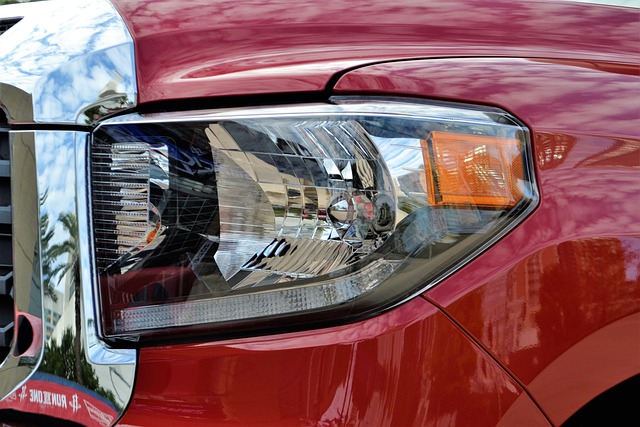
When delving into light truck warranty coverage, it’s crucial to understand what’s not covered—a critical aspect often overlooked by buyers. Exclusions and deductibles play a significant role in shaping your protection during unforeseen repairs or maintenance. Many manufacturers offer comprehensive plans, but certain conditions and components fall outside these guarantees. For instance, most standard warranties don’t cover damage from accidents, natural disasters, or normal wear and tear over time. This includes issues like rust, faded paint, or broken plastic parts, which are common in the small truck cargo space where exposure to elements is frequent.
Moreover, specific components often carry different levels of coverage or require separate insurance. Items such as tires, brakes, fluids, and batteries typically have lower deductibles due to their regular maintenance needs. In contrast, major engine or transmission repairs might fall under a higher deductible, as these are more complex and less frequently replaced. For example, the cheapest new pickup might come with an attractive warranty, but it’s essential to check if labor costs are included and what deductibles apply to different parts. Nearby used truck dealerships often provide extended warranties, but these can vary widely in terms of coverage and cost, so comparing options is vital.
To ensure you’re adequately protected, always read the fine print. Understand what’s explicitly covered and what requires additional insurance or out-of-pocket expenses. Some manufacturers offer comprehensive packages for a premium price, guaranteeing almost every component except those explicitly excluded. Others might provide basic coverage with high deductibles for major repairs. As a buyer, it’s your responsibility to select a plan that aligns with your usage patterns and maintenance habits. Regularly scheduled maintenance at nearby dealerships can help extend the life of your vehicle, reducing potential warranty claims over time.
Claiming Your Benefits: A Step-by-Step Guide

Claiming your light truck warranty benefits can seem daunting, but with a structured approach, you can ensure smooth navigation and maximize your coverage. Here’s a step-by-step guide tailored for select light trucks, focusing on common models from nearby used truck dealerships that often come with comprehensive warranties.
Step 1: Understand Your Warranty Coverage Begin by thoroughly reviewing the warranty details provided by the manufacturer or dealer. Major brands like Ford and Chevrolet often offer limited powertrain warranties for new vehicles, while used truck dealerships may provide extended coverage. Familiarize yourself with terms like covered components, duration, and any exclusions. Consumer Reports regularly updates its pickup truck reviews to reflect warranty information, making it a valuable resource.
Step 2: Gather Necessary Documentation Before initiating a claim, collect all relevant paperwork, including your vehicle’s registration, purchase receipt or invoice, and the original warranty contract. Some manufacturers allow you to access warranties online through their websites. If you purchased from a nearby used truck dealership, ensure they provided you with an updated warranty guide outlining specific terms and contact information for claims.
Step 3: Identify Covered Issues Your warranty should cover various components, including the engine, transmission, drivetrain, and more. Refer to your warranty document or consult a trusted mechanic if needed. When issues arise, don’t delay—promptly address them to prevent further damage. According to industry data, timely maintenance and prompt claims can significantly enhance long-term vehicle reliability.
Step 4: Contact Your Warranty Provider Reach out to the manufacturer’s warranty department or your dealership using the contact information provided in Step 2. Clearly explain the issue you’re experiencing and request a claim process guide if needed. Keep records of all communications, including dates, names, and any reference numbers assigned for tracking purposes. Light truck financing options are readily available, making it crucial to understand your warranty rights to avoid unexpected costs during ownership.
By understanding the intricacies of light truck warranty coverage, as outlined in this comprehensive guide, you’re now equipped to make informed decisions when selecting your next vehicle. The key takeaways include recognizing that engine to body panels coverage is standard, but customization options allow for tailored plans to meet individual needs. Exclusions and deductibles play a crucial role in understanding what’s not covered, ensuring expectations are managed. When claiming benefits, follow the step-by-step guide to ensure a smooth process. Remember, when purchasing or leasing a light truck, naturally consider warranty options that offer comprehensive yet flexible coverage, empowering you to navigate potential repairs with confidence. This article has provided valuable insights, allowing you to make strategic choices and protect your investment effectively.