

Selecting the right battery for your Select Light Truck involves matching power needs to vehicle demands. Key factors include cold cranking amps (CCA), reserve capacity, and size. Daily drivers suit deep cycle lead-acid batteries with higher CCA, while heavy towing requires higher-capacity units. Lithium technology is compact and popular in dualie trucks. Test old batteries, inspect terminals, and ensure secure mounting. Maintain batteries for off-road use with regular checks and terminal cleanliness. Replace as needed with suitable lease deals or rugged models.
In the world of automotive maintenance, few tasks carry as much weight as replacing your vehicle’s battery—especially for those relying on select Light Trucks for their daily grind. A dead or failing battery can leave these workhorses stranded, disrupting schedules and operations. Understanding when and how to replace this critical component is essential for any owner aiming to keep their light truck in top form. This article serves as a comprehensive guide, offering expert insights and practical steps to ensure your vehicle’s reliability and longevity. Let’s dive into the process and unravel the secrets to successful battery replacement.
- Understanding Your Light Truck's Battery Requirements
- Selecting the Right Battery for Your Vehicle: A Guide
- Removing and Testing the Old Battery
- Installing and Securing a New Battery Safely
- Maintaining Your Battery: Tips for Optimal Performance
Understanding Your Light Truck's Battery Requirements

When considering a replacement battery for your light truck, understanding its specific power requirements is crucial. Light trucks, including popular mini pickup trucks and half-ton trucks, come in various configurations, each with unique electrical demands. For instance, a basic workhorse mini pickup may require a standard 12V lead-acid battery, while a more sophisticated model equipped with advanced accessories could necessitate a higher ampere-hour (Ah) rating to support power-hungry systems like heavy-duty lighting or a winch.
Comparing different light truck batteries involves evaluating key factors such as cold cranking amps (CCA), reserve capacity, and physical dimensions. For example, if you’re looking for a best value pickup battery that can handle both daily driving and occasional demanding tasks, opt for a deep cycle lead-acid battery with a higher CCA and reserve capacity. These batteries are designed to deliver sustained power for extended periods without degradation, making them ideal for half-ton trucks with power tools or off-road accessories.
Additionally, considering the overall build quality and brand reputation of the battery is essential. Top-tier manufacturers like Optima and Trojan offer durable, reliable options suitable for even the most demanding light truck applications. By Select Light Trucks that align with your specific needs and budget, you can ensure optimal performance and longevity for your vehicle’s electrical system, enhancing both safety and functionality on the road or off.
Selecting the Right Battery for Your Vehicle: A Guide

Selecting the appropriate battery for your light truck is a crucial step in ensuring reliable performance, especially if you frequently engage in activities like light duty towing or utilize the vehicle’s small truck cargo space. Not all batteries are created equal; factors such as cold cranking amps (CCA), capacity, and maintenance requirements vary widely. For dualie trucks that are both affordable and capable, understanding these nuances is essential.
Consider your specific needs. If you frequently navigate through harsh climates, the battery’s ability to withstand cold temperatures becomes paramount. Similarly, if your light truck has a higher load or towing capacity (1-3 times the vehicle’s weight), a more powerful battery with higher CCA ratings may be necessary to power accessories and start the engine without struggle. For instance, a 70Ah battery might be suitable for daily drivers with moderate cargo and towing needs, while a higher-capacity unit like a 120Ah could better serve those who regularly haul heavy loads or operate in colder regions.
Furthermore, the type of battery (e.g., lead-acid, AGM, lithium) plays a significant role in performance and maintenance. Lead-acid batteries are conventional but require more maintenance, while AGM and lithium batteries offer increased durability and no-maintenance operation. In recent years, affordable dualie trucks have embraced lithium technology for its compact size, high power density, and longer lifespan—a logical choice given the space constraints often found in small truck cargo spaces. By carefully considering these factors, light truck owners can Select a battery that aligns with their vehicle’s specific demands, ensuring optimal performance and minimizing downtime.
Removing and Testing the Old Battery
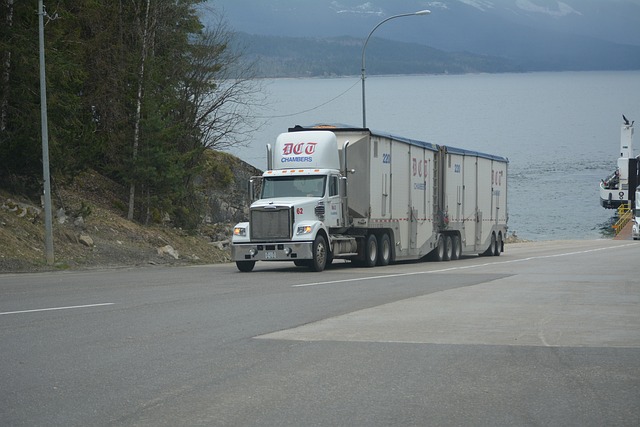
When replacing the battery in a light truck, removing and testing the old one is a crucial step to ensure optimal performance from your new battery. Start by locating the battery, which is typically mounted securely under the hood or in the bed of the select light trucks naturally designed with space efficiency in mind. Safety should be paramount; always disconnect the negative battery cable first to prevent accidental short circuits. Utilise gloves and safety goggles to protect yourself from any potential hazards, especially when dealing with old batteries that may have leaked or corroded terminals.
Once the battery is accessible, carefully remove the hold-down clamps or brackets securing it in place. Take note of the wire connections—positive and negative—and the order in which they were attached for a seamless reinstallation later. After removing the old battery, test its condition using a multimeter to check voltage levels. A fully charged 12-volt battery should read around 12.6 volts or higher at rest; significantly lower readings indicate a failing battery that may still hold some usable charge. This step is crucial when selecting nearby used truck dealerships for best value pickups, as you can identify batteries that are still in good working order but may be in need of replacement soon.
For select light trucks up for sale, inspecting the battery’s state of health before purchase is a smart move. Look for signs of corrosion or damage, and ensure the battery terminals are clean and free from debris. This simple step can save you from unexpected issues down the road, especially when considering the average cost of replacement batteries in recent years has risen due to advanced technology and stricter environmental regulations. By thoroughly testing and inspecting old batteries before replacing them, you can make informed decisions about your light truck’s power source, ensuring a reliable and smooth driving experience.
Installing and Securing a New Battery Safely
When replacing a light truck battery, selecting the right fit is only the first step. The next crucial aspect involves installing and securing the new battery safely to ensure optimal performance and longevity. This process demands careful consideration of your vehicle’s specific requirements. For instance, smaller light trucks may have compact battery compartments, necessitating the selection of a correspondingly sized battery that fits seamlessly without compromising space for other components.
A professional approach begins with proper preparation. Ensure the workspace is well-lit and organized, allowing easy access to tools and parts. Before removal, consult your vehicle’s manual for specific instructions and safety precautions related to battery replacement. Many modern light trucks incorporate safety features like battery isolators and secure brackets that require attention during installation. These measures are designed to prevent accidental battery leaks or shifts, which could cause damage or pose a safety risk.
Secure mounting is paramount. Batteries should be fastened securely with the appropriate hardware provided or recommended by your vehicle manufacturer. This often includes using strapping or bracket systems that distribute weight evenly and minimize movement. In some cases, especially for off-road light trucks, additional measures like cable ties or custom mounts might be necessary to account for rough terrain and extreme conditions. When done correctly, these steps safeguard against battery damage and ensure your vehicle’s electrical system functions reliably. For those seeking guidance on tire choices or buying a used truck near them, exploring specialized resources and dealerships can offer tailored advice, ensuring that every aspect of ownership is approached with expertise and care.
Maintaining Your Battery: Tips for Optimal Performance

Maintaining your battery is a critical aspect of owning a light truck, especially for those who frequently tackle off-road adventures or rely on their vehicle for work. Select Light Trucks equipped with robust batteries can handle demanding tasks, but proper care is essential to ensure optimal performance and longevity. One of the key factors in achieving this is understanding how to select and maintain the right battery for your specific light truck model.
When it comes to replacement, many experts suggest focusing on affordable truck lease deals or investing in high-quality batteries designed for off-road use. For instance, best half-ton truck accessories include advanced deep cycle batteries built to withstand extreme conditions, ensuring they can handle the demands of both daily driving and rugged terrain. Regular battery checks and prompt replacement when needed are crucial, as a poorly maintained battery can lead to performance issues and even safety hazards. Look for signs like dim lighting, slow engine cranking, or dashboard warnings during your routine maintenance inspections.
Additionally, keeping your light truck’s battery clean and free from corrosion is vital. Corroded terminals can cause inefficient power transfer, resulting in reduced performance. A simple cleaning solution of baking soda and water can effectively remove corrosion, ensuring optimal contact between the battery and its components. Remember that a well-maintained battery doesn’t just enhance your vehicle’s performance; it also contributes to overall energy efficiency and safety, particularly during extended off-road excursions where reliable power is paramount.
By following a structured approach outlined in this article, you now possess the knowledge to replace your light truck’s battery with confidence. Key takeaways include understanding your vehicle’s specific battery requirements, selecting the appropriate battery type for your Light Trucks, safely removing and testing the old battery, securely installing and securing new batteries, and implementing maintenance tips for optimal performance. These practical steps ensure not only a successful battery replacement but also contribute to your Light Truck’s overall reliability and efficiency. Your investment in understanding this process demonstrates your commitment to vehicle care, ensuring a smoother, safer driving experience.
About the Author
Meet Robert Johnson, ASE Certified Master Technician and Battery Specialist. With over 15 years of experience, Robert is a sought-after expert in light truck battery replacement and electrical systems. He holds additional certifications in automotive technology from the National Institute for Automotive Service Excellence (ASE). As a contributing author to numerous trade publications, including Automotive Service Advisor, Robert stays at the forefront of industry trends while sharing his knowledge through active membership on LinkedIn.
Related Resources
Here are some authoritative resources for an article on replacing a light truck battery:
- Automotive Battery Council (Industry Association): [Offers industry insights and best practices for vehicle battery maintenance and replacement.] – https://www.automotivembatterycouncil.org/
- CarCare Council (Consumer Education): [Provides clear, concise guidelines for various car care tasks, including battery replacement.] – https://www.carcare.org/
- National Highway Traffic Safety Administration (NHTSA) (Government Portal): [Offers safety information and tips related to vehicle maintenance, including handling and replacing batteries.] – https://www.nhtsa.gov/vehicle-safety/battery-maintenance-and-replacement
- ASE (Automotive Service Excellence) (Industry Certification): [Presents technical articles and standards for automotive repair and service, including battery replacement procedures.] – https://www.ase.org/
- Battery Council International (Industry Association): [A resource for all things battery related, providing research, safety guidelines, and industry news.] – https://www.bci.org/
- How to Replace a Car Battery (Napa Auto Parts) (Internal Guide): [Offers step-by-step instructions with visuals for replacing various types of car batteries, including light truck batteries.] – https://blog.napaautoparts.com/how-to-replace-car-battery
- Understanding Your Vehicle’s Battery (Ford Motor Company) (Manufacturer Guidance): [Delves into battery technology and best practices specific to Ford vehicles, which can be relevant for light trucks.] – https://www.ford.com/en-us/owners/batteries