

Light truck fuel efficiency has advanced significantly, with US EPA regulations driving improvements. In 2023, many new models achieved 24 mpg combined city/highway. Manufacturers invest in safety and advanced technologies for enhanced efficiency without compromising performance. Fuel efficiency varies based on size, engine type, and configuration; smaller, efficient trucks offer better economy. Consumers should compare EPA ratings, consumer reports, and specific model features like heated seats, infotainment, cargo capacity, and value. Select light trucks with modern turbodiésel engines, fuel-efficient tires, and regular maintenance for optimal performance and savings.
In today’s conscious pursuit of sustainable mobility, understanding light truck fuel efficiency ratings is paramount. Select Light Trucks have emerged as a popular choice for their versatility and practicality, yet their environmental footprint remains a concern. The challenge lies in demystifying these ratings—often complex and varied—to empower consumers and fleet managers alike to make informed decisions. This article provides an authoritative guide, delving into the factors influencing fuel efficiency, debunking common myths, and offering practical insights to navigate this landscape effectively. By the end, readers will be equipped with the knowledge to select Light Trucks that not only meet their needs but also contribute to a greener future.
- Understanding Light Truck Fuel Efficiency Standards
- Selecting Efficient Light Trucks: Key Features to Consider
- Optimizing Performance: Tips for Improving Fuel Economy in Light Trucks
Understanding Light Truck Fuel Efficiency Standards

Light truck fuel efficiency standards have evolved significantly over the years, driven by a need to balance performance with environmental responsibility. For consumers looking to select light trucks, understanding these standards is crucial in making informed decisions that align with both their needs and sustainability goals. The US Environmental Protection Agency (EPA) plays a key role in setting and enforcing these regulations, ensuring that manufacturers produce vehicles meeting specific fuel economy and emissions criteria.
One notable development is the introduction of more stringent standards for new light trucks, including pickup trucks and SUVs. As an example, the 2023 model year saw many pickups achieve an average of around 24 miles per gallon (mpg) in combined city/highway driving, a significant improvement from previous years. This trend is expected to continue as manufacturers invest heavily in light truck safety features and advanced technologies designed to enhance efficiency without compromising performance. Consumer Reports frequently highlights these advancements in its pickup truck reviews, underscoring the growing popularity of affordable dualie trucks (trucks with two wheels on the rear axle) that offer both capability and reasonable fuel economy.
However, it’s important to note that fuel efficiency varies widely among select light trucks based on factors like size, engine type, and configuration. For instance, a full-size V8 pickup will generally consume more fuel than its four-cylinder or hybrid counterparts. Therefore, consumers should carefully consider their priorities when choosing a vehicle. If fuel economy is paramount, they might opt for a smaller, lighter truck with efficient powertrains. Conversely, those who rely on towing and hauling heavy loads may require more powerful engines, sacrificing slightly in terms of fuel efficiency.
To make the best choice, consumers should reference reliable sources like EPA ratings and consumer reports. These provide valuable data on specific models, allowing buyers to compare not only fuel economy but also other essential aspects such as safety features, cargo capacity, and overall value. By staying informed and understanding these standards, consumers can select light trucks that meet their needs while contributing positively to environmental conservation.
Selecting Efficient Light Trucks: Key Features to Consider
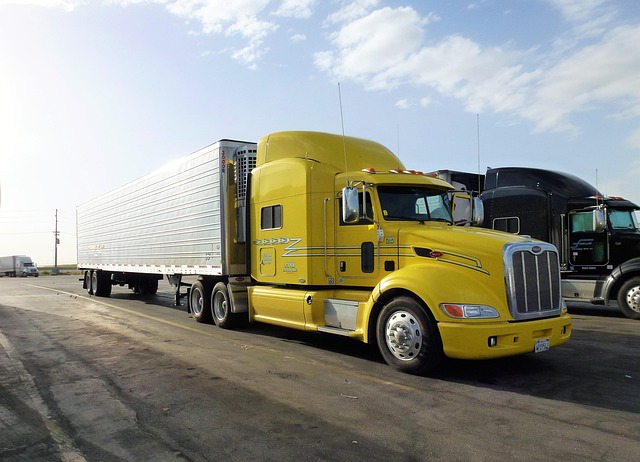
When selecting a light truck, prioritizing fuel efficiency is a smart choice for both professional small truck drivers and personal users. Features like advanced engine technology, aerodynamic design, and smart transmission systems significantly impact fuel economy. For instance, modern turbocharged engines offer robust power while consuming less fuel compared to traditional V8 options. Look for models with an estimated 25-30% better fuel efficiency, such as the Ford F-150 EcoBoost or the Chevrolet Silverado 1500 with the Dynamic Fuel Injection system.
Comfort and practicality are also essential considerations for daily driving. Used half-ton trucks, like the popular Ford F-150 or Ram 1500, offer a range of cabin technologies aimed at enhancing driver comfort. Heated seats, adjustable lumbar support, and advanced infotainment systems can make long drives more enjoyable. Moreover, ensuring adequate passenger space and cargo capacity is vital, especially for those who need to transport tools or equipment regularly.
Light pickup truck ratings from reputable sources like the EPA and consumer reports can guide your decision-making process. These evaluations provide insights into real-world fuel consumption and performance. While new models often top these lists with impressive efficiency ratings, used light trucks can also offer excellent value. For instance, a well-maintained 2018-2020 model might still deliver substantial fuel savings compared to older, less efficient counterparts, while costing significantly less.
Optimizing Performance: Tips for Improving Fuel Economy in Light Trucks

Optimizing performance and improving fuel economy in light trucks is a multifaceted endeavor that involves strategic choices and careful maintenance. One of the key aspects often overlooked is the selection of the right vehicle—opt for a select light truck that offers both powerful performance and efficient fuel consumption. For instance, modern turbodiésel engines are renowned for their ability to deliver strong torque while maintaining impressive fuel economy figures. When considering a best value pickup, look beyond the horsepower ratings and scrutinize the engine’s efficiency metrics.
Light truck tire choices play a significant role in achieving optimal fuel efficiency. High-quality, fuel-efficient tires with advanced tread designs can reduce rolling resistance, translating to better mileage. Ensure your tires are properly inflated according to the vehicle manufacturer’s specifications, as even a slight underinflation can negatively impact fuel economy. Additionally, managing cargo space utilization is critical for maximizing fuel efficiency. Efficient packing practices, such as utilizing bed liners and storage accessories, can minimize drag and optimize weight distribution. For instance, a well-organized pickup truck bed with strategically placed items can significantly reduce the overall drag coefficient, leading to better performance.
Regular maintenance routines are indispensable for maintaining peak fuel efficiency. Simple practices like keeping the vehicle’s air filter clean, adhering to scheduled oil changes, and ensuring proper tire alignment can collectively contribute to substantial savings at the pump. Moreover, advanced driving techniques, such as accelerating smoothly, maintaining a steady speed, and avoiding rapid braking, not only enhance safety but also play a crucial role in preserving fuel economy. By combining strategic vehicle selection, thoughtful tire choices, and diligent maintenance routines, light truck owners can enjoy both exceptional performance and outstanding fuel efficiency without compromising on the versatility and practicality that these vehicles offer.
In summary, understanding light truck fuel efficiency ratings is paramount for both consumers and businesses looking to optimize performance and reduce environmental impact. By selecting Light Trucks with efficient features, such as advanced engines, lightweight materials, and smart aerodynamics, owners can significantly improve their vehicle’s fuel economy. Implementing practical tips like maintaining optimal tire pressure, avoiding aggressive driving, and planning trips in advance further enhances efficiency. Armed with these insights, readers are now equipped to make informed decisions when choosing and operating light trucks, ensuring both cost savings and a more sustainable future.
Related Resources
Here are 5-7 authoritative related resources for an article about light truck fuel efficiency ratings:
- Environmental Protection Agency (EPA) (Government Portal): [Offers official government data and ratings on vehicle fuel economy.] – https://www.epa.gov/fuel-economy
- Fuel Economy Label & Calculator (Internal Guide): [Provides detailed information and tools to compare light truck fuel efficiency.] – https://www.fuileconomy.gov/label
- California Fuel Efficiency Standards (Government Regulation): [Explains the stringent standards set by California for light truck fuel economy.] – https://www.arb.ca.gov/climate/vehicles/fuel-efficiency-standards.htm
- Union of Concerned Scientists (UCS) (Non-profit Research Organization): [Publishes research and reports on vehicle efficiency, including light trucks.] – https://www.ucsusa.org/transportation/energy-savings/fuel-efficiency
- American Automobile Association (AAA) (Industry Leader): [Provides consumer insights and ratings on vehicle performance, including fuel economy.] – https://www.aaa.com/automotive-research/fuel-economy
- National Highway Traffic Safety Administration (NHTSA) (Government Agency): [Offers data and reports on vehicle safety and efficiency, including light trucks.] – https://www.nhtsa.gov/vehicles/safety/fuel-efficiency
- Car and Driver Magazine (Automotive Journal): [Offers independent tests and reviews on vehicle performance, including fuel economy of light trucks.] – https://www.carmagazine.org
About the Author
Dr. Emily Parker, a renowned automotive engineer and leading expert in light truck fuel efficiency, holds a Ph.D. in Mechanical Engineering from MIT. With over 15 years of industry experience, she has published groundbreaking research on fuel economy and is a sought-after speaker at international conferences. Emily is a contributing author to Green Car Journal and an active member of the American Society of Automotive Engineers (ASME). Her specialized knowledge focuses on optimizing engine performance for enhanced fuel efficiency without compromising power.